
Click on the 1st. image to view


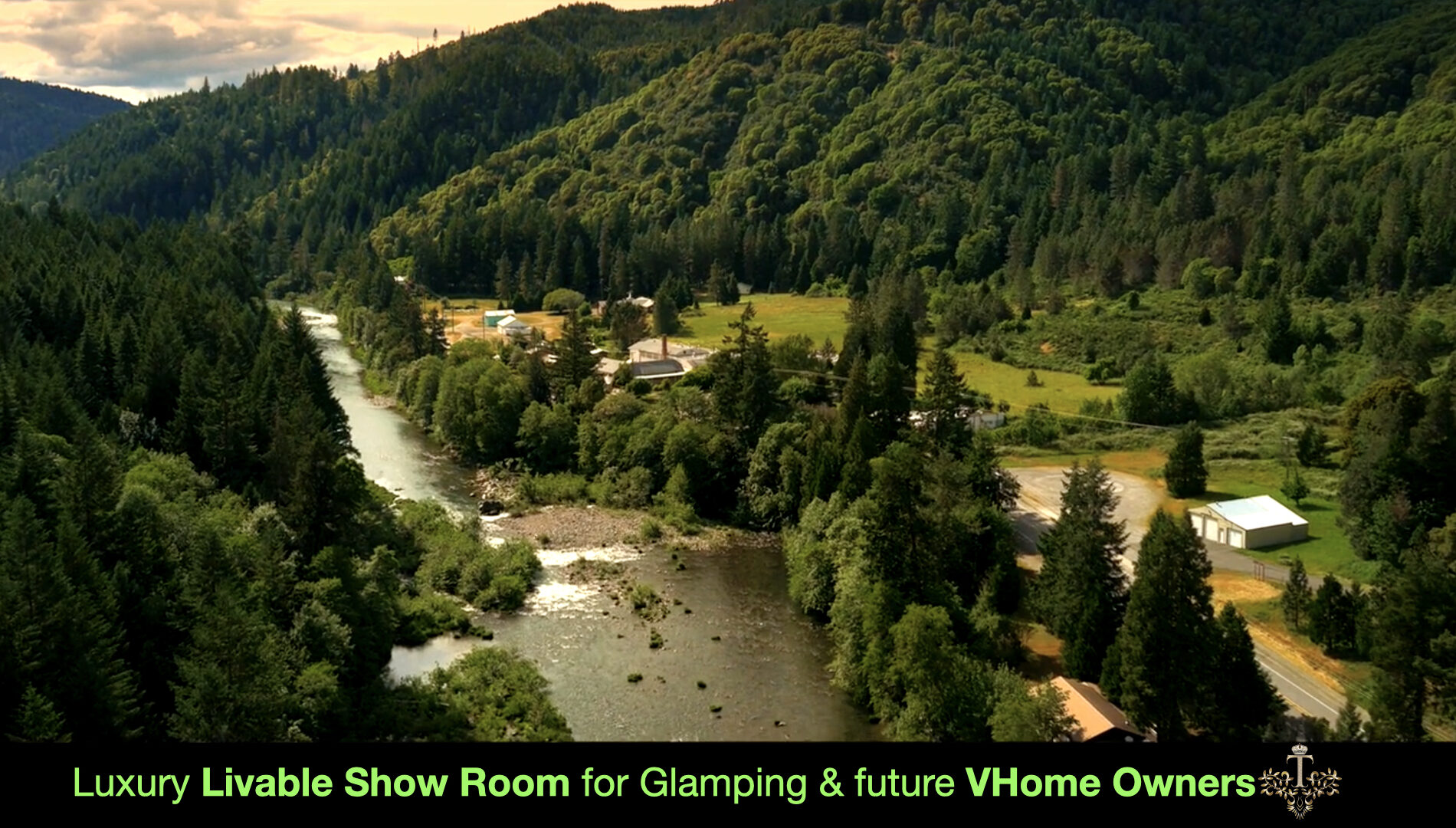


Tiller, Oregon is a small, unincorporated community located deep within the Umpqua National Forest. As such, the main draw of the area is not urban attractions, but rather the natural beauty and outdoor recreation it provides. It’s an ideal destination for those seeking a quiet, peaceful escape into the wilderness.
Tiller flagship wellness menu:
Best-fit core program
- Forest bathing
- Gentle riverside walks
- Mobility, tai chi, qigong, chair yoga
- Hydrotherapy on-site
- Waterfall-view scenic tours
- Crater Lake blue-mind excursions
- Nutrition and longevity dining
- Massage and sleep-recovery programming
Secondary / selective offerings
- Umpqua Hot Springs excursions for fit guests only
- Light hiking on carefully screened routes
- Fishing or nature photography outings
- Seasonal garden and culinary workshops
Ideal for young active people
- Strenuous hiking
- Rugged trail dependence
- Remote hot spring climbing as a default activity
- Adventure-first branding
Wellness Activities:
1. Guided forest bathing and breathing walks
The strongest core offering is slow, guided forest immersion: shaded walking loops, seated breathing stations, bird-listening pauses, and mindfulness decks near river or creek frontage. This is the most scalable and age-friendly signature activity for affluent retirees because it supports stress reduction, gentle movement, and a luxury “nature heals” positioning without requiring athletic ability. The North Umpqua corridor is especially well suited to this kind of programming because it is known for scenic river access, forest settings, and multiple trail segments.
2. Waterfall-view wellness excursions
Curated half-day excursions to waterfall viewpoints are highly marketable for older clients: easy walks, luxury shuttle transport, gourmet picnic service, photography stops, and optional sketching or tea service. Oregon tourism materials specifically highlight the North Umpqua area for scenic river recreation and waterfalls, which makes this a natural premium excursion category for Tiller-based guests.
3. Senior-friendly scenic drives with wellness stops
For clients who prefer low-exertion experiences, build chauffeur-driven scenic byway itineraries with short overlook walks, thermos tea service, and mobility-friendly photo stops. This is important because a retirement-oriented wellness destination should not depend only on hiking. The Umpqua scenic corridor and Crater Lake access make scenic touring one of the most practical premium offerings in the region.
4. Crater Lake “blue-mind” day trips
Crater Lake is an excellent anchor excursion for contemplative, restorative tourism: scenic viewpoints, fresh mountain air, geology interpretation, quiet sightseeing, and accessible facilities. The National Park Service notes accessible facilities at Mazama Village, and the park also supports wheelchair-accessible trolley service, which is useful for older guests and mixed-mobility groups. Senior visitors 62+ can also use the federal Senior Pass program.
5. Hydrotherapy and soaking experiences
Hydrotherapy belongs in the program, but I would treat Umpqua Hot Springs as a limited, curated excursion, not the primary resort product. It is currently open again after a 2026 winter road closure was rescinded, but the Forest Service states it is a day-use site only, open sunrise to sunset, and the trail involves a steep, narrow climb. That makes it unsuitable for many retirement clients unless they are mobile and explicitly briefed.
For your actual retreat, the better model is to create private on-site hydrotherapy: warm soaking pools, mineral foot baths, contrast bathing, cedar sauna, steam, and quiet recovery lounges. The hot springs excursion can remain an optional adventure tier for healthier guests.
6. Riverside movement classes
Recommend gentle morning programming: tai chi, qigong, chair yoga, mobility stretching, posture training, and balance work on decks overlooking water or forest. This is particularly appropriate for retirement clients because it blends fall-prevention, flexibility, social ritual, and luxury destination aesthetics. The setting matters as much as the exercise volume.
7. Longevity-focused walking clubs
Create tiered walking programs: 10-minute recovery walks, 20-minute social loops, and 45-minute guided nature walks. This gives residents and guests a repeatable daily rhythm instead of one-off tourism. For older adults, consistency usually creates more value than intensity.
8. Wellness nutrition and culinary therapy
Pair the outdoor program with anti-inflammatory dining, herbal tea service, hydration rituals, and chef-led “food as medicine” classes. For affluent retirees, culinary wellness is not an add-on; it is one of the main reasons they choose a retreat. This works especially well when paired with garden walks, riverfront brunches, and tasting events built around Pacific Northwest produce.
9. Creative restoration
I would add watercolor-by-the-river, nature journaling, acoustic music evenings, storytelling around fire features, flower arranging, and photography walks. This matters because many retirement clients want emotional restoration and meaning, not only physical fitness.
10. Recovery and resilience programming
Add massage therapy, guided stretching, sleep optimization coaching, and low-stimulation evening rituals. The architecture should support this with quiet zones, dim lighting, warm natural materials, acoustic control, and views toward forest and water.
Outdoor Activities and Nature
The Tiller area is a paradise for nature lovers and outdoor enthusiasts, offering a wide range of activities focused on the surrounding forest and the South Umpqua River.
- Fishing and River Activities: The South Umpqua River flows through this wellness paradise, making it a popular spot for fly-fishing, particularly catch-and-release. In the warmer months, the river offers great opportunities for swimming, wading, and picnicking by the water.
- Hiking and Backpacking: Tiller serves as a basecamp for exploring the Umpqua National Forest. Numerous trails wind through old-growth forests and lead to scenic viewpoints. The area is known for its wildlife, so hikers can expect to see deer, elk, and various bird species.
- Camping: There are several campgrounds in the vicinity, such as Boulder Creek Campground, which is located along the South Umpqua River. These sites provide a great way to fully immerse yourself in the natural surroundings. For a more unique experience, some private sites offer “glamping” options with amenities like hot showers and cooking areas.
- Scenic Drives: Tiller is situated near the junction of several scenic routes, making it a perfect stopping point on a Southern Oregon road trip. The drives offer stunning views of the rolling mountains, dense forests, and wild rivers.
Nearby Points of Interest
While Tiller itself is small, it’s a gateway to some of Southern Oregon’s most iconic natural attractions.
- Crater Lake National Park: Located a couple of hours’ drive from Tiller, this is Oregon’s only national park and a must-see. It’s famous for the deep blue waters of Crater Lake, the deepest lake in the U.S., which was formed by the collapse of a volcano.
- South Umpqua Falls: Just a short drive from Tiller, this is a beautiful spot with a series of small, cascading waterfalls and natural swimming holes. It’s a popular destination for cooling off and relaxing on a hot day.
- Local Dams and Reservoirs: The area features several scenic dams and reservoirs, including Hemlock Lake and Joseph Reed Reservoir, where visitors can enjoy activities like fishing, canoeing, birdwatching, and hiking around the tranquil waters.
- Hershberger Lookout: For a panoramic view of the area, a hike or drive up to Hershberger Lookout provides a breathtaking perspective of the surrounding forests and mountains.